

Palestine State of Palestine
A strategic country research profile examining Palestine through history, society, economy, education, culture, heritage, human capital, infrastructure, innovation, geopolitics and long-term development.
Palestine: history, resilience and strategic transformation
Palestine occupies a distinctive position at the intersection of the Eastern Mediterranean, the Levant and the wider Middle East. Its historical cities, archaeological landscapes, religious heritage, agricultural traditions and highly educated population form an important foundation for long-term social and economic development.
TEDRIC approaches Palestine through a multidisciplinary framework: human capital, economic resilience, heritage protection, education, innovation, infrastructure, environmental sustainability and regional connectivity.
A compact profile of Palestine
Selected indicators
Demography
A young population creates both substantial human-capital potential and significant employment requirements.
Economy
Economic performance remains strongly affected by conflict, mobility constraints, fiscal pressures and reconstruction needs.
Development
Long-term development depends heavily on restoring productive capacity, infrastructure and human capital.
A landscape shaped by civilizations
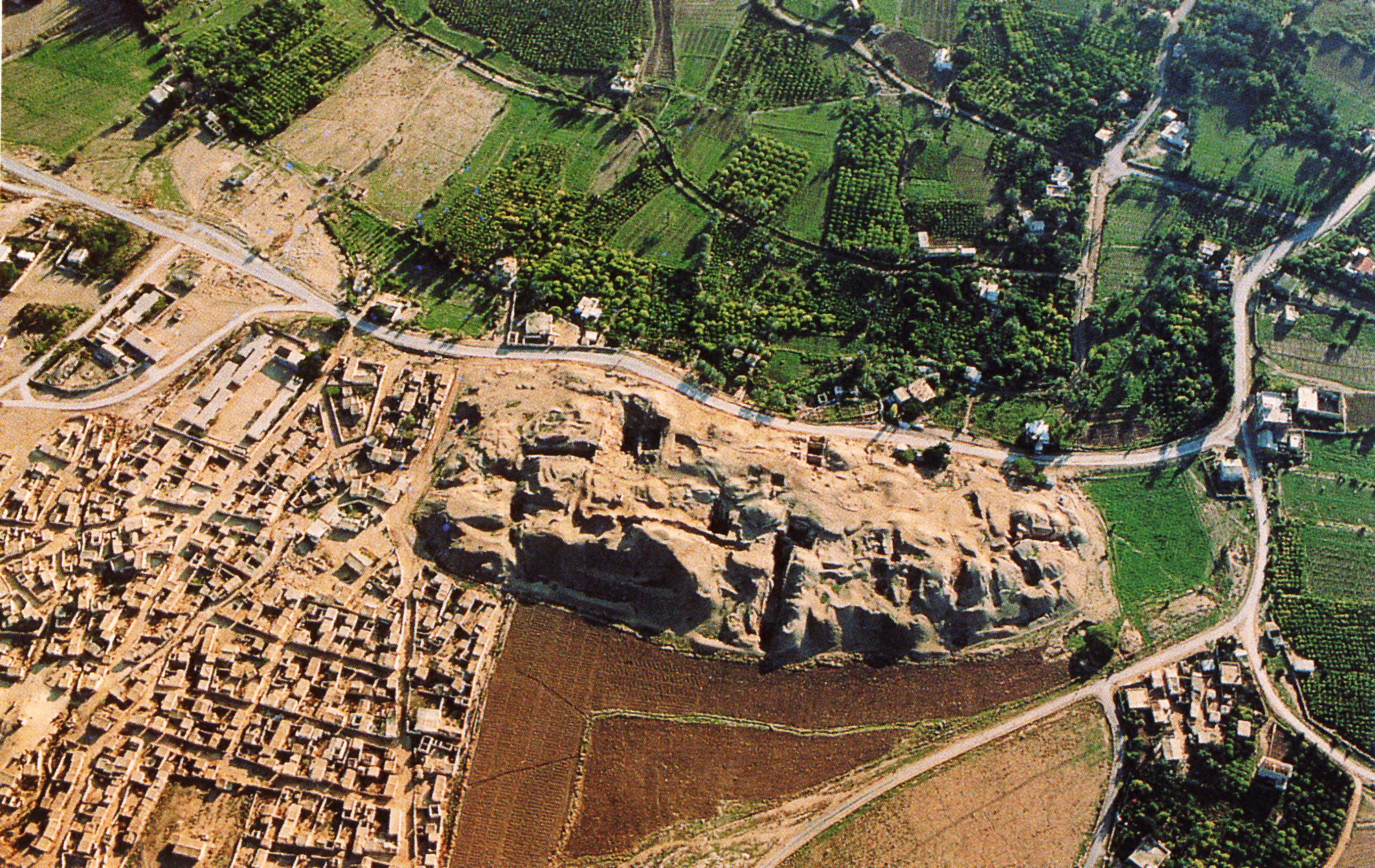
Jericho, Bethlehem and Battir

An economy facing structural disruption
Economic resilience
The Palestinian economy has experienced a severe reversal of earlier development gains. The World Bank reported that by the end of 2024, real GDP had fallen back to approximately its 2009 level.
Private sector
Future recovery requires stronger productive sectors, entrepreneurship, investment, access to markets, digital infrastructure and predictable economic institutions.
Selected social and economic indicators
Recovery requires more than headline growth
Institutions under exceptional pressure
Governance systems
Public administration and governance operate within a highly complex political and territorial environment. Institutional continuity and service delivery are therefore central research themes.
Public-sector resilience
Future governance capacity will depend on institutional coordination, fiscal sustainability, local administration and the restoration of essential public services.
Key points in Palestine's historical trajectory
Early settlement and agriculture
The southern Levant becomes one of the important zones in the development of early settled communities and agriculture.
Jericho and the wider Levant
Major settlement centres emerge within a wider network connecting the Mediterranean and inland Levant.
Religious and urban transformation
Christian and later Islamic institutions profoundly shape the region's cities, architecture and cultural landscape.
Integration into a wider imperial system
Palestine becomes part of the Ottoman administrative and economic order for several centuries.
Political transformation
The modern political history of Palestine develops through successive mandates, wars, displacement, political movements and changing territorial realities.
Conflict, reconstruction and resilience
Human development, economic recovery, heritage protection and reconstruction remain central strategic challenges.
Areas of future productive potential
Agriculture
Olives, horticulture, food processing and water-efficient agriculture.
Tourism
Religious heritage, archaeology, cultural tourism and pilgrimage routes.
Digital services
Software, remote services, technology entrepreneurship and digital education.
SMEs
Small business development, entrepreneurship and local value chains.
A young society with major human-capital potential
Education as a strategic national asset
Digital capability as a development multiplier
Digital education
Remote learning and digital skills can expand access to high-value knowledge.
Research networks
International academic partnerships can help strengthen research capacity.
Innovation
Technology entrepreneurship can create employment beyond geographically constrained markets.
Health systems and human security
Health-system resilience
Strengthening primary care, hospitals, medical supply chains, health professionals and digital health infrastructure is essential to long-term human development.
Social protection
Social protection systems, food security and access to essential services are closely connected to household resilience and economic recovery.
Reconstruction as a platform for modernization
Energy
Reliable and diversified energy systems.
Water
Resilient water and sanitation infrastructure.
Transport
Efficient movement of people and goods.
Connectivity
Digital networks supporting education and business.
Water, land and ecological resilience
Palestine within the regional strategic system
Regional dimension
Palestine occupies a central position in Middle Eastern diplomacy, security, religion, international law, humanitarian policy and regional economic relations.
International partnerships
Development institutions, international organizations, universities and civil-society networks remain important actors in humanitarian support, education, reconstruction and institutional development.
Security understood beyond military capability
Food security
Stable access to food and agricultural production.
Health security
Reliable access to essential medical services.
Infrastructure
Protection and restoration of critical systems.
Human security
Safety, livelihoods, education and social stability.
Building productive links
Trade logistics
Improved logistics and market access can reduce structural constraints on businesses.
Investment
Stable investment frameworks can support reconstruction and productive capacity.
Export diversification
A wider export base can improve resilience and create higher-value employment.
Historic cities and contemporary urban pressures
A multi-faith historical landscape
Christian heritage
Bethlehem and other historic sites form an essential part of global Christian heritage.
Islamic heritage
Mosques, shrines, historic cities and Islamic learning traditions are deeply embedded in the landscape.
Jewish historical heritage
The wider Palestinian landscape is inseparable from the interconnected historical heritage of Judaism, Christianity and Islam.
Six internationally recognized heritage properties
Birthplace of Jesus: Church of the Nativity and Pilgrimage Route
Bethlehem · Cultural heritage
Palestine: Land of Olives and Vines
Cultural landscape of Battir
Hebron / Al-Khalil Old Town
Historic urban heritage
Ancient Jericho / Tell es-Sultan
Archaeological heritage
Saint Hilarion Monastery / Tell Umm Amer
Archaeological and cultural heritage
Sebastia
Archaeological and cultural heritage
Heritage as a development resource

From heritage preservation to sustainable tourism
Religious tourism
Bethlehem and other sacred landscapes have exceptional international cultural significance.
Archaeological tourism
Jericho, Sebastia and historic cities provide opportunities for research-led cultural tourism.
Rural landscapes
Olive groves, terraces, villages and traditional agricultural practices offer a distinctive cultural economy.
Five pillars for long-term resilience
Priority areas for future country research
Education & Youth
Skills, universities, vocational education, digital learning and youth employment.
Economic Resilience
SMEs, agriculture, entrepreneurship, trade, investment and reconstruction.
Health & Social Development
Health systems, nutrition, social protection and human development.
Heritage & Culture
UNESCO properties, archaeology, religious heritage and cultural economy.
Science & Technology
Digital transformation, research networks and technology entrepreneurship.
Environment & Water
Water security, climate adaptation and sustainable agricultural landscapes.
Palestine as a multidisciplinary research field
Palestine at a glance
Primary reference institutions
Palestine within the wider regional research system
Regional Studies
Palestine is examined alongside the wider Levant, Arabian Peninsula and Mediterranean systems.
Comparative Development
Country indicators can be compared across education, economy, health, infrastructure and innovation.
Future Research
TEDRIC can develop dedicated Palestine studies covering individual sectors, cities, heritage sites and development scenarios.
Palestine Research Profile
Palestine represents one of the world's most historically significant landscapes and one of the Middle East's most complex development environments. Its future research agenda extends from human capital and economic resilience to heritage protection, technology, infrastructure, environmental sustainability and regional cooperation.