
United States of America
A comprehensive TEDRIC country research profile examining the United States across political, economic, social, scientific, technological, security, environmental, cultural and international dimensions.
Country Overview
The United States of America is a federal republic and one of the world's largest economies, with global influence extending across finance, technology, science, education, defence, culture, energy and international institutions. Its continental scale, diversified economy, extensive infrastructure and large research ecosystem make it a central actor in global affairs.
Strategic Position
The United States occupies a central position in the transatlantic and Indo-Pacific systems. Its alliances, military capabilities, financial markets, technology companies and diplomatic networks give the country substantial influence over international economic and security affairs.
Federal Structure
The country consists of 50 states and the federal District of Columbia. Political authority is divided between federal institutions and state governments, creating a complex multi-level governance structure.
Economic Model
The economy combines a highly developed private sector with major public institutions, deep capital markets, advanced services, manufacturing capabilities, energy production and a globally significant technology sector.
Global Research Importance
Universities, national laboratories, companies and public agencies make the United States one of the world's most important centres for scientific discovery, technological innovation and advanced research.
Key Facts
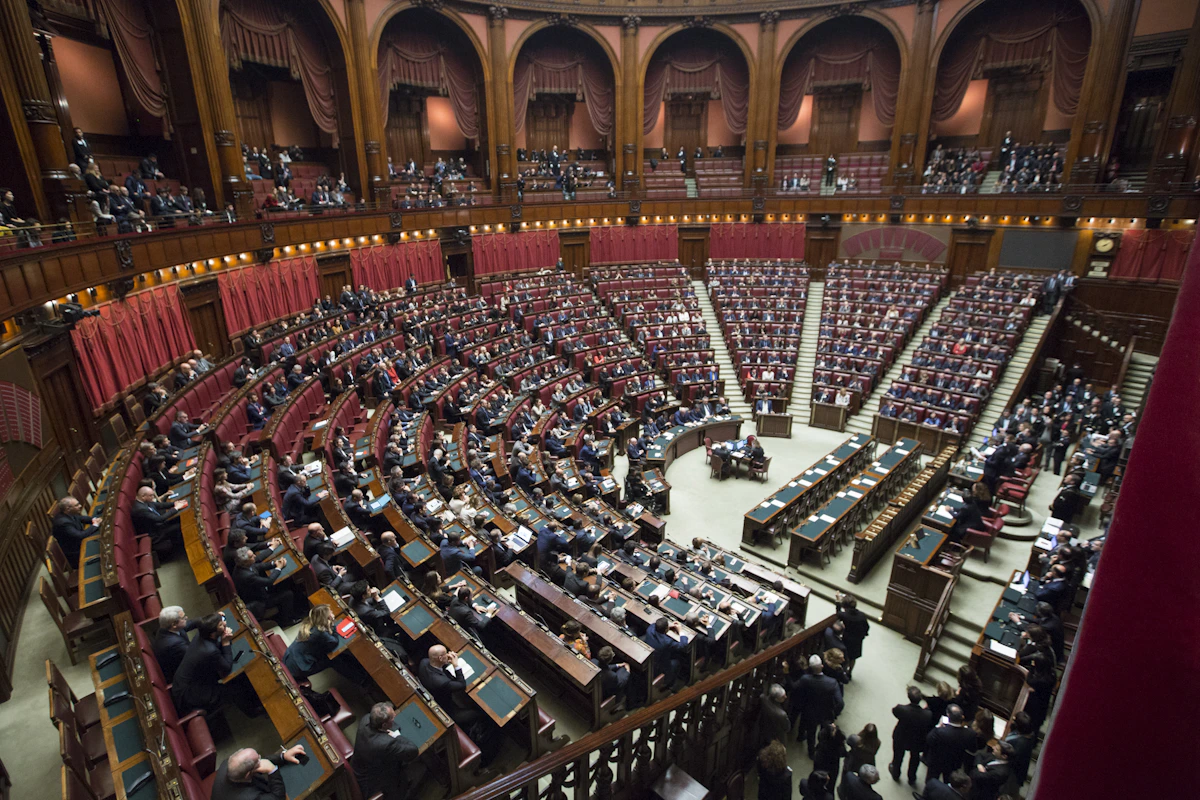
United States in Images


Economic Snapshot
Macroeconomic Context
A Diversified and Globally Integrated Economy
The United States combines a large domestic consumer market with deep financial markets, advanced services, sophisticated manufacturing, energy production and internationally competitive technology industries. Monetary conditions, fiscal policy, productivity, trade, investment and global demand all influence its economic trajectory.
Long-term policy challenges include fiscal sustainability, productivity growth, infrastructure renewal, labour-market transformation and the economic effects of technological change. At the same time, the scale of the country's innovation ecosystem creates substantial opportunities for continued investment and productivity gains.
Development Indicators
Population Growth
Approximately 0.5% in 2025, with migration remaining an important component of demographic change.
Life Expectancy
Approximately 79 years in 2024, reflecting a highly developed but unequal healthcare environment.
Inflation
Consumer price inflation was approximately 2.9% in 2024 according to World Bank data.
Labour Market
Unemployment was approximately 4.2% in 2025, with significant variation across regions and groups.
Politics & Governance
The United States operates under a constitutional system based on the separation of powers between the executive, legislative and judicial branches. Federalism gives substantial responsibilities to states and creates multiple layers of public administration.
Executive
The President serves as head of state and head of government, with extensive responsibilities in foreign policy, national security and federal administration.
Congress
The bicameral Congress consists of the Senate and House of Representatives and plays a central role in legislation, taxation and federal oversight.
Judiciary
The federal judiciary, headed by the Supreme Court, interprets constitutional and federal law and forms an important component of the institutional balance of power.
Economy & Business
Services
Finance, professional services, information technology, healthcare, education, logistics, entertainment and other services form a major share of economic activity.
Manufacturing
Advanced manufacturing remains strategically important, including aerospace, automobiles, pharmaceuticals, electronics, machinery and defence industries.
Technology
Software, cloud computing, artificial intelligence, semiconductors and digital platforms are major sources of investment and innovation.
Financial Markets
The country hosts some of the world's deepest capital markets and remains a major international centre for investment, banking and financial innovation.
Population & Demographic Structure
The United States has a large and highly diverse population shaped by immigration, internal migration, changing household structures and significant regional differences. Population growth and demographic ageing will influence labour markets, healthcare, education and public finance.
Migration
International migration remains an important contributor to population growth and has long influenced the country's labour force, cities and cultural landscape.
Urbanisation
Major metropolitan regions concentrate economic activity, research institutions, technology industries and international connectivity.
Ageing
Population ageing creates growing demands for healthcare, pensions, long-term care and productivity-enhancing technologies.
Education & Human Capital
The United States has one of the world's largest higher-education ecosystems, with major research universities, public institutions, private universities, community colleges and vocational pathways.
Higher Education
American universities are major centres for research, postgraduate education and international academic collaboration.
Research Universities
University-based research contributes strongly to medicine, engineering, computer science, physics, biotechnology and social sciences.
Skills
Demand for advanced digital, scientific and technical skills is increasing as automation and artificial intelligence transform work.
Challenges
Educational inequality, tuition costs, regional differences and access to high-quality education remain important policy questions.
Science, Technology & Innovation
Scientific research and technological innovation constitute one of the strongest strategic assets of the United States. Public agencies, universities, laboratories and private companies form a large innovation ecosystem.
Artificial Intelligence
AI research and commercial development are transforming computing, healthcare, finance, defence, manufacturing and scientific research.
Space & Aerospace
NASA and a large private aerospace sector support space exploration, satellite systems, launch technologies and scientific missions.
Biotechnology
Biotechnology and biomedical research support pharmaceuticals, genomics, diagnostics and advanced medical technologies.
Semiconductors
Semiconductor research and manufacturing have become strategic priorities because of their importance to digital infrastructure and national security.
National Laboratories
National laboratories contribute to energy, physics, computing, materials science and national research programmes.
Innovation Ecosystem
Venture capital, universities, research institutions and technology companies create a powerful environment for commercial innovation.
Healthcare & Medicine
The United States possesses advanced hospitals, medical universities, pharmaceutical companies and biomedical research institutions. However, healthcare access, affordability and regional inequality remain major policy issues.
Medical Research
Biomedical research is supported by universities, hospitals, biotechnology companies and federal research agencies.
Pharmaceuticals
The country is a major centre for pharmaceutical innovation, biotechnology investment and clinical research.
Access & Cost
Healthcare expenditure and unequal access remain important social and economic challenges despite high technological capacity.
Energy & Natural Resources
Oil & Gas
The United States is a major global producer of oil and natural gas, supported by extensive technological and infrastructure capacity.
Renewables
Solar, wind, hydroelectric and other renewable sources are expanding, supported by investment and policy incentives.
Nuclear Energy
Nuclear power remains part of the country's electricity system and advanced reactor technologies are receiving renewed research interest.
Critical Minerals
Secure access to critical minerals has become increasingly important for energy technologies, electronics and national security.
Infrastructure & Digital Transformation
The United States possesses extensive transportation, communications, energy and digital infrastructure. Continued investment is required to modernise ageing systems and improve resilience.
Transport
Highways, railways, airports, ports and logistics networks connect large domestic and international markets.
Digital Infrastructure
Cloud computing, broadband, data centres and telecommunications form the foundation of an increasingly digital economy.
Infrastructure Renewal
Modernisation of bridges, public transport, electricity systems and water infrastructure remains a major long-term investment priority.
International Relations
The United States is a central actor in the international system and maintains extensive diplomatic, economic and security relationships across every region.
Europe
Transatlantic relations remain central to security, trade, diplomacy and international cooperation.
Indo-Pacific
The region is increasingly important for trade, technology, maritime security and strategic competition.
Americas
Relations with Canada, Mexico, Latin America and the Caribbean are important for trade, migration, energy and regional stability.
Global Institutions
The United States participates extensively in the UN system, financial institutions and other international organisations.
Defence & Security
The United States maintains extensive defence capabilities and a global network of alliances and security partnerships. Strategic priorities increasingly include cyber security, space, advanced technologies and resilience of critical infrastructure.
Military Capabilities
The United States maintains advanced capabilities across land, sea, air, space and cyber domains.
NATO & Alliances
Alliances and defence partnerships form a central element of American international security policy.
Cyber & Space
Cybersecurity, satellite systems, artificial intelligence and space capabilities are increasingly important security domains.
Trade & Investment
North American Integration
Economic relations with Canada and Mexico form one of the world's most important regional production and trade systems.
Global Investment
American firms are major international investors while the United States remains one of the world's largest destinations for foreign investment.
Technology Trade
Semiconductors, software, advanced machinery, digital services and intellectual property are increasingly important components of global trade.
Supply Chains
Resilient supply chains have become a major strategic objective across technology, energy, healthcare and defence sectors.
Culture, Art & Tourism
American cultural influence extends across cinema, music, literature, visual arts, architecture, sport and digital media. Its large geographic scale also creates an exceptionally diverse tourism landscape.
Arts & Entertainment
Film, television, music and digital entertainment have substantial global reach and economic importance.
National Heritage
Historic cities, national parks, indigenous heritage and cultural landscapes form an extensive heritage system.
Tourism
Major cities, natural landscapes, theme parks, cultural institutions and national parks attract visitors from around the world.
Faith & Religions
The United States has a diverse religious landscape protected by constitutional principles of religious freedom. Christianity remains historically prominent, while Judaism, Islam, Hinduism, Buddhism and other traditions form important components of American society.
Christianity
Christianity encompasses a wide range of Protestant, Catholic and Orthodox traditions.
Judaism
Jewish communities have played an important role in American religious, cultural and intellectual life.
Islam
Muslim communities are part of the country's increasingly diverse religious and cultural environment.
Other Traditions
Hindu, Buddhist, Sikh, interfaith and other religious communities contribute to the country's pluralistic society.
Environment & Climate
Climate Diversity
The country's large geographic range produces diverse climate zones, ecosystems and environmental conditions.
National Parks
Protected landscapes and national parks are important environmental, scientific and tourism assets.
Climate Risks
Wildfires, hurricanes, droughts, floods, heatwaves and sea-level rise create significant regional risks.
Energy Transition
Decarbonisation, renewable energy, nuclear technologies and resilient electricity systems are major areas of policy and research.
Social Challenges & Opportunities
Inequality
Differences in income, wealth, education, housing and healthcare access remain significant policy concerns.
Housing
Housing affordability and supply pressures affect many metropolitan regions and younger households.
Technology & Employment
Automation and artificial intelligence create opportunities for productivity while requiring adaptation of skills and institutions.
Demographic Change
Ageing and changing migration patterns will influence public services, labour markets and economic growth.
Regional Differences
Economic and social outcomes vary considerably between states, metropolitan areas and rural regions.
Innovation Opportunity
Research, entrepreneurship and technological investment provide substantial opportunities for future productivity and development.
Strategic Outlook
Key Strategic Priorities
The United States is likely to remain one of the world's most influential countries, but its future position will depend on productivity, technological leadership, infrastructure, education, social cohesion, fiscal capacity and international competitiveness.
Strategic areas requiring sustained attention include artificial intelligence, semiconductors, biotechnology, energy security, climate resilience, advanced manufacturing, cybersecurity, space technology, education and the resilience of critical supply chains.
TEDRIC Research Priorities
AI & Digital Transformation
Governance, productivity, employment, security and social effects of artificial intelligence.
Global Economy
Trade, investment, monetary policy, industrial strategy and global economic competitiveness.
Science & Innovation
Research ecosystems, advanced technologies, universities and national innovation capacity.
International Security
Alliances, geopolitical competition, cyber security, defence and emerging security technologies.
Americas Regional Research Directory
Explore TEDRIC country research across the Americas.
TEDRIC Perspective
Research Centre Assessment
The United States remains a foundational actor in the international political economy and an exceptional centre of scientific and technological capacity. Its strengths include institutional depth, capital-market sophistication, research infrastructure, entrepreneurial capacity, energy resources and global alliances.
At the same time, long-term competitiveness will depend on addressing inequality, infrastructure gaps, education and skills, fiscal pressures, political polarisation, demographic change and climate-related risks.
From a TEDRIC perspective, the most important research question is how the United States can combine technological leadership with resilient institutions, inclusive development and sustainable international engagement.
Explore TEDRIC Research on the Americas
Discover country analyses, regional research, international affairs, science, education, economy, healthcare, security and development studies.
Explore TEDRIC ResearchAll About USA
Hollywood Silicon Walley Pentagon White House NASA
All Articles
-
Last 24 HoursLijstitem 1
Elementary school" and "primary school" refer to the same stage of education, though "primary school" is more common in the UK and some other countries, while "elementary school" is prevalent in North America and the Philippines.
-
USA TodayLijstitem 2
Academic achievements are students' accomplishments and progress in meeting their educational goals, including high grades, standardized test scores, awards, and participation in advanced coursework or competitions.
-
OpportunitesLijstitem 3
Nutrition education in schools is a key platform for improving children's diets and health, fostering positive eating habits from a young age, and potentially reducing the risk of chronic diseases.
-
Visit USALijstitem 4
European Citizenship Education is a policy priority aimed at cultivating knowledgeable, engaged, and responsible citizens by fostering democratic values, human rights, and active participation at local, national, and EU levels.
All Articles
-
Canada ArmyLijstitem 1
Elementary school" and "primary school" refer to the same stage of education, though "primary school" is more common in the UK and some other countries, while "elementary school" is prevalent in North America and the Philippines.
-
EducationLijstitem 2
Academic achievements are students' accomplishments and progress in meeting their educational goals, including high grades, standardized test scores, awards, and participation in advanced coursework or competitions.
-
Healthcare & MedicineLijstitem 3
Nutrition education in schools is a key platform for improving children's diets and health, fostering positive eating habits from a young age, and potentially reducing the risk of chronic diseases.
-
History of USALijstitem 4
European Citizenship Education is a policy priority aimed at cultivating knowledgeable, engaged, and responsible citizens by fostering democratic values, human rights, and active participation at local, national, and EU levels.
- Politic
Geef een beschrijving voor dit lijstitem en neem informatie op die interessant is voor sitebezoekers. Beschrijf bijvoorbeeld de ervaring van een teamlid, wat een product bijzonder maakt of een dienst die alleen u verleent.Lijstitem 1
- Religious
Geef een beschrijving voor dit lijstitem en neem informatie op die interessant is voor sitebezoekers. Beschrijf bijvoorbeeld de ervaring van een teamlid, wat een product bijzonder maakt of een dienst die alleen u verleent.Lijstitem 2
- Culture
Geef een beschrijving voor dit lijstitem en neem informatie op die interessant is voor sitebezoekers. Beschrijf bijvoorbeeld de ervaring van een teamlid, wat een product bijzonder maakt of een dienst die alleen u verleent.Lijstitem 3
- Media
Geef een beschrijving voor dit lijstitem en neem informatie op die interessant is voor sitebezoekers. Beschrijf bijvoorbeeld de ervaring van een teamlid, wat een product bijzonder maakt of een dienst die alleen u verleent.Lijstitem 4
- Education
Write a description for this list item and include information that will interest site visitors. For example, you may want to describe a team member's experience, what makes a product special, or a unique service that you offer.
- Science
Write a description for this list item and include information that will interest site visitors. For example, you may want to describe a team member's experience, what makes a product special, or a unique service that you offer.
- Sport
Write a description for this list item and include information that will interest site visitors. For example, you may want to describe a team member's experience, what makes a product special, or a unique service that you offer.
- Universties
Write a description for this list item and include information that will interest site visitors. For example, you may want to describe a team member's experience, what makes a product special, or a unique service that you offer.
- Art
Write a description for this list item and include information that will interest site visitors. For example, you may want to describe a team member's experience, what makes a product special, or a unique service that you offer.
Our Experts of USA

ED JOHNSON

CHRISTINA DOE

JOHN MILLER
ED JOHNSON
CHRISTINA DOE