

ZAMBIA
Country Overview
Strategic Profile
Zambia is a landlocked country in Southern Africa with a strategic position between Central, Eastern and Southern African markets. Its economy is strongly linked to mining, agriculture, energy, trade and regional transport corridors.
Copper remains the country's defining export commodity and a major source of foreign-exchange earnings. At the same time, agriculture, tourism, energy development, manufacturing and services offer important opportunities for diversification.
Zambia's long-term development trajectory will depend on combining macroeconomic stability and debt sustainability with productivity, infrastructure, human-capital development and private-sector investment.
Zambia in Images


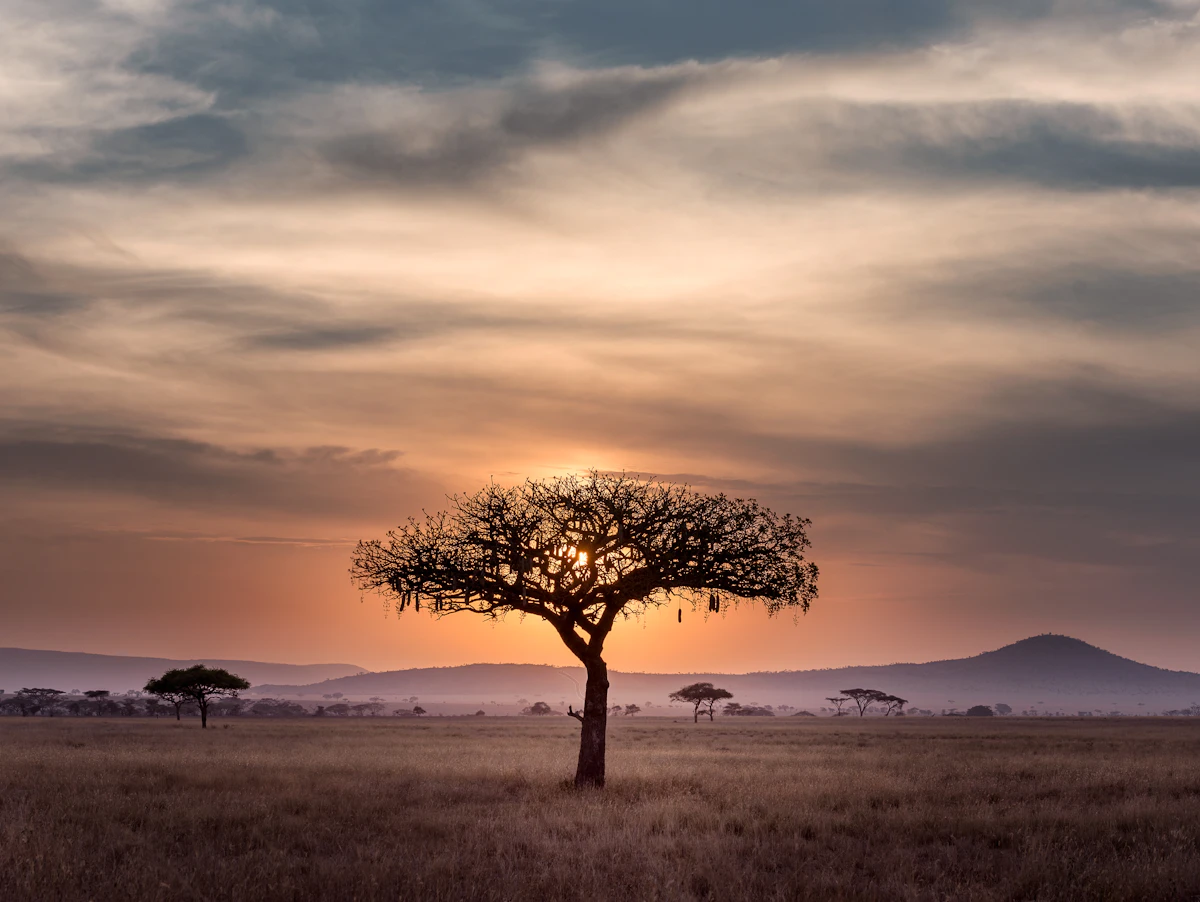
Economic Snapshot
Macroeconomic Context
Growth prospects remain closely connected to copper production, agriculture, tourism, energy availability and investment. The outlook nevertheless remains sensitive to mining output, electricity supply, climate conditions, commodity prices and external shocks.
Development Indicators
Politics & Governance
Institutional Profile
Zambia is a constitutional republic with an elected president and parliament. Democratic institutions, public administration, judicial independence and accountability remain central to the country's governance framework.
- Presidential constitutional republic
- Multi-party political system
- National and local governance institutions
- Public-sector reform and accountability
Governance Priorities
Strengthening public financial management, improving institutional capacity, maintaining transparency and expanding effective public services are important to Zambia's long-term development.
- Fiscal governance
- Public-sector effectiveness
- Anti-corruption and transparency
- Decentralization and service delivery
Economy & Business
Copper & Mining
Copper remains the central pillar of Zambia's export economy. Mining investment, production efficiency, processing capacity and value addition are therefore strategically important.
Agriculture
Agriculture provides livelihoods for a large share of the population. Irrigation, climate resilience, productivity and agro-processing offer important opportunities for diversification.
Private Sector
Financial services, telecommunications, logistics, construction, tourism and manufacturing can broaden the economic base and support employment beyond mining.
Population & Society
Demographic Profile
Zambia's population was approximately 21.9 million in 2025. The country has a young and rapidly growing population, creating substantial future demand for education, employment, housing, healthcare and infrastructure.
Human Development
Human-development outcomes remain closely connected to household income, education, health services, electricity access, water, employment opportunities and regional inequalities.
Education
Human Capital
Expanding educational quality and access is essential for converting Zambia's demographic growth into a long-term economic advantage. Secondary education, teacher capacity and technical training are particularly important.
Strategic Skills
- Teacher training and education quality
- Technical and vocational education
- Mining and engineering skills
- Agricultural and agro-processing skills
- Digital literacy and entrepreneurship
Science & Technology
Digital Transformation
Digital connectivity can improve education, financial inclusion, business development and public-service delivery. Expanding affordable and reliable digital infrastructure is therefore strategically important.
Research Priorities
- Digital connectivity
- Mining technology and value addition
- Agricultural technology
- Renewable-energy systems
- Health technology and data systems
Energy & Natural Resources
Mineral Resources
Zambia possesses major copper resources alongside cobalt and other minerals. Increasing domestic processing and developing higher-value mineral supply chains could strengthen economic diversification.
Energy & Climate Resilience
Hydropower remains important to Zambia's electricity system. Drought conditions have demonstrated the need for diversified generation, solar investment, grid resilience and improved energy planning.
International Relations
Regional Position
Zambia is strategically positioned between Central, Eastern and Southern Africa. Its transport corridors connect mineral-producing areas with ports and neighbouring markets.
Trade & International Partnerships
China is an important market and investment partner, particularly in relation to copper and infrastructure. Zambia also maintains strong economic and institutional relationships across SADC and other African regional frameworks.
Defence & Security
Regional Stability
Zambia's strategic security environment is strongly influenced by regional stability, cross-border trade and developments within Southern and Central Africa.
Human Security
Food security, employment, climate shocks, public health and access to essential services are important dimensions of Zambia's broader human-security environment.
Border & Transport Security
Efficient and secure transport corridors are important for copper exports, regional commerce and Zambia's role as a land-linked economy.
Culture, Art & Tourism
Natural Heritage
Zambia's tourism assets include Victoria Falls, national parks, wildlife ecosystems and extensive landscapes. Tourism offers opportunities for foreign exchange, employment and regional economic development.
Cultural Assets
- Victoria Falls and Mosi-oa-Tunya
- South Luangwa National Park
- Lower Zambezi landscapes
- Traditional cultural heritage
- Arts, crafts and community tourism
Faith & Religions
Zambia has a predominantly Christian population alongside Muslim communities and traditional African religious beliefs. Religious institutions contribute to education, healthcare, community services and social cohesion.
Strategic Outlook
01 • Strengthen Macroeconomic Stability
Consolidate inflation reduction, fiscal discipline and debt sustainability.
02 • Expand Mining Value Chains
Increase processing, investment and domestic value addition around copper and critical minerals.
03 • Diversify Agriculture
Improve irrigation, productivity, agro-processing and climate resilience.
04 • Invest in Human Capital
Expand education, healthcare, skills and employment opportunities for a young population.
05 • Strengthen Energy Security
Diversify electricity generation and strengthen resilience to drought and climate-related shocks.
06 • Deepen Regional Integration
Improve transport corridors, trade links and economic integration across Southern and Central Africa.
Southern Africa Research Directory
The regional country profiles follow the same TEDRIC research architecture.
TEDRIC Perspective
Zambia's strategic position, copper resources, agricultural potential, young population and regional connectivity provide a strong platform for long-term development. The country's next phase will depend on whether macroeconomic stabilization can be converted into sustained productivity, investment and broad-based improvements in living standards.
Zambia Research & Strategic Analysis
TEDRIC • Research, Knowledge and Strategic Perspectives on Africa and the World