
Serbia
A comprehensive TEDRIC research profile of Serbia — examining its geography, economy, institutions, science and technology, society, cultural heritage and regional systems in the Western Balkans.
Country Research Profile
Serbia is a landlocked state at the crossroads of Central and Southeastern Europe, with Belgrade positioned at the confluence of the Sava and Danube. The country combines a substantial industrial base, agricultural regions, transport corridors, research institutions and a large cultural-heritage landscape.
Serbia in Geographic Context

Map source: Wikimedia Commons, Serbia location map.
Belgrade
Capital and largest metropolitan centre, located at the Sava–Danube confluence.
Vojvodina
Northern lowland region with major agricultural, industrial and urban systems.
Central Serbia
Mountain, river-valley and urban systems connecting the north and south.
Southern Serbia
Important transport, industrial, cultural and cross-border regional networks.
Economic Performance and Structure
Official national accounts show real GDP growth of 3.8% year-on-year in Q2 2026 and 1.5% quarter-on-quarter on a seasonally adjusted basis. Construction recorded 9.1% real gross-value-added growth, while professional, scientific, technical, administrative and support activities grew 5.8%.
Selected Q2 2026 real growth indicators
Manufacturing
Automotive supply chains, machinery, electrical equipment, food processing and other industrial activities form important parts of the production system.
Agriculture
Vojvodina is a major agricultural zone, while fruit production, food processing and rural economies connect agriculture to domestic and export markets.
Trade & Logistics
The Danube, road and rail corridors connect Serbia with neighbouring markets and wider European supply chains.
Services
ICT, professional services, finance, retail, tourism and business services contribute to urban economic activity.
Places, Cities and Landscapes

Belgrade
Belgrade Fortress and the Sava–Danube landscape.
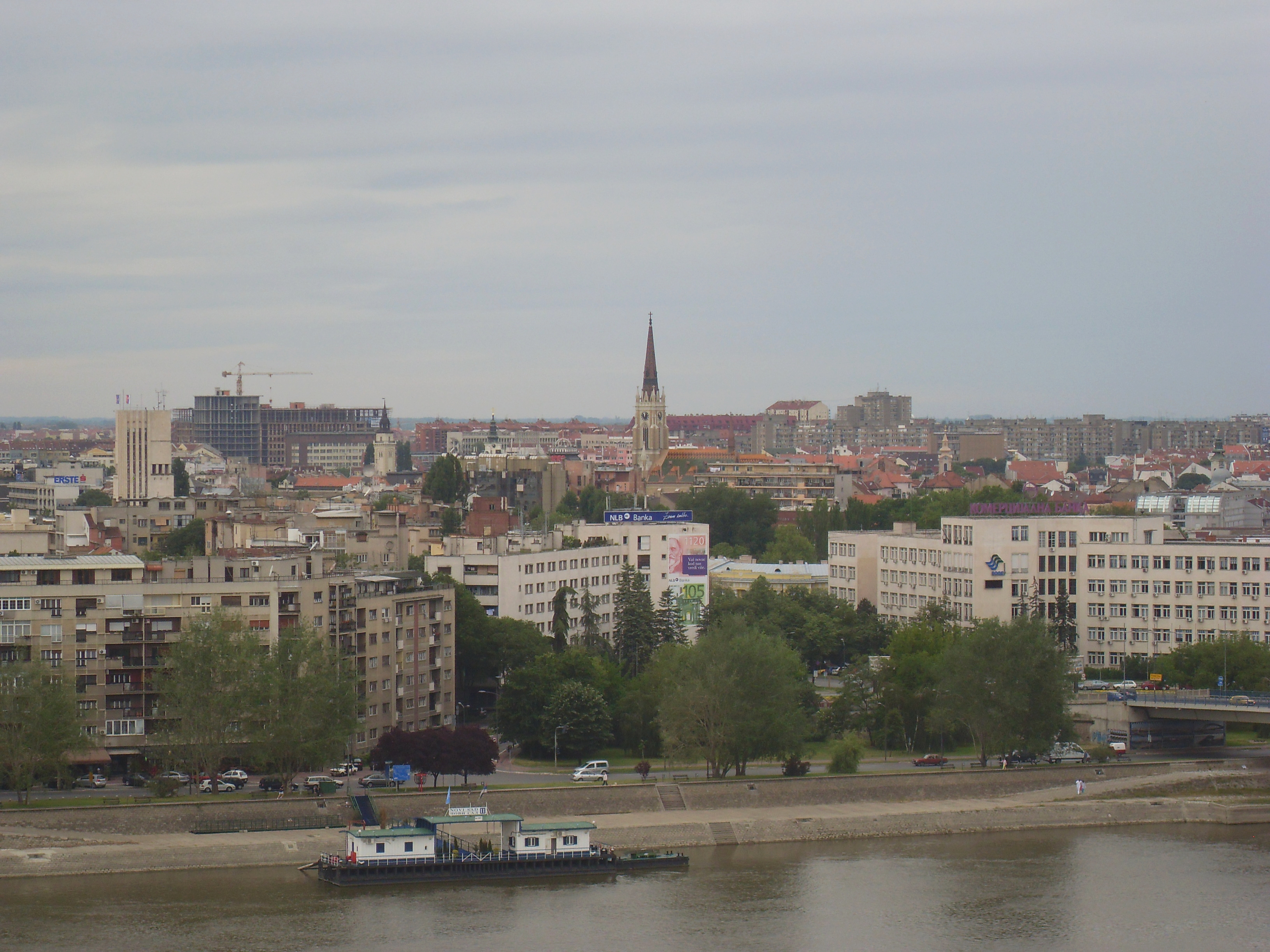
Novi Sad
Urban Vojvodina and the Danube viewed from Petrovaradin.

Tara National Park
Mountain and forest ecosystems in western Serbia.

Zlatibor
One of Serbia's major mountain tourism landscapes.
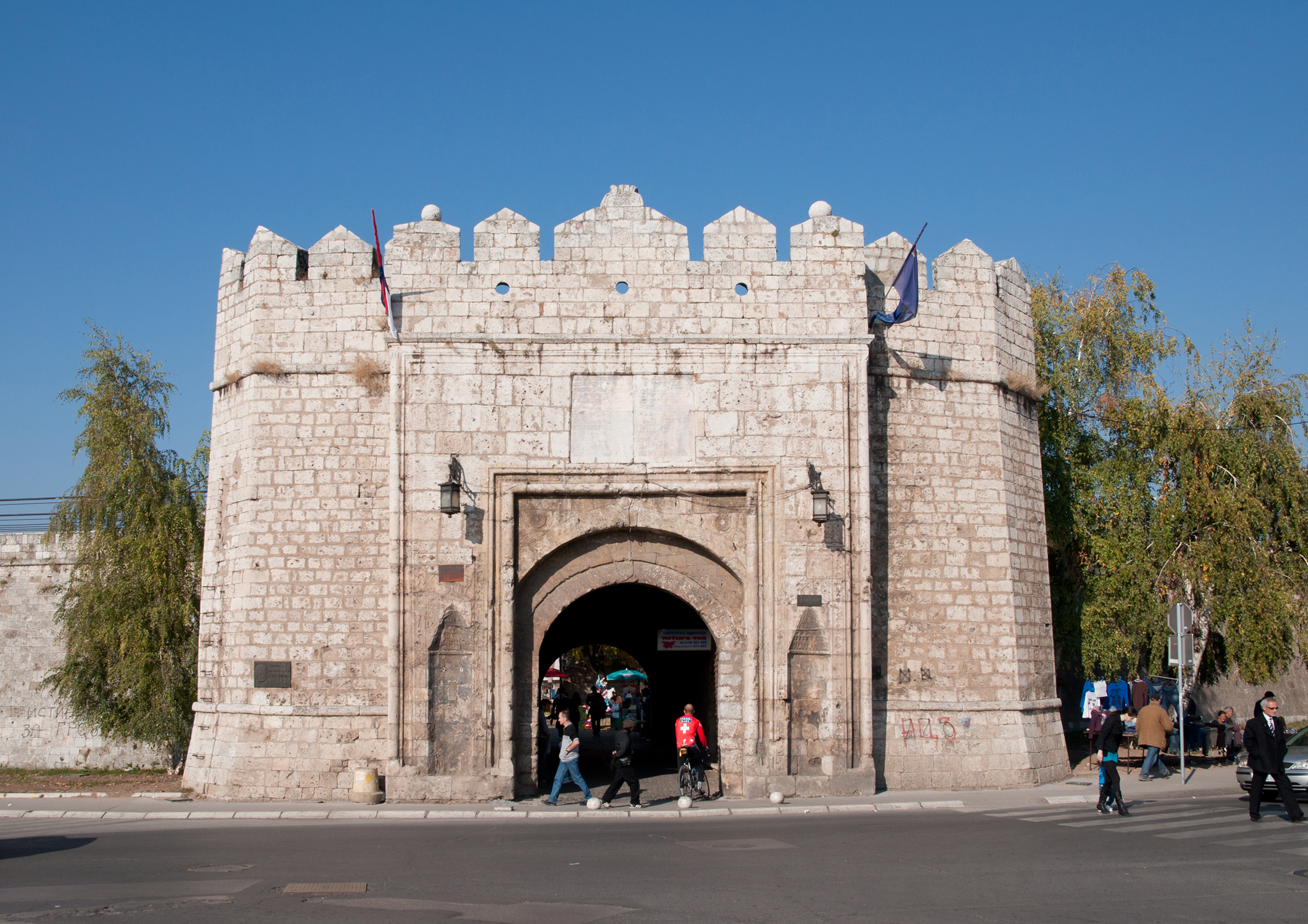
Niš
Historic southern Serbian urban and cultural centre.

Petrovaradin
Historic fortress overlooking the Danube in Novi Sad.
Demographic and Social Systems
Population
The official 2025 population estimate is 6,549,901. Serbia continues to experience long-term demographic change and population ageing.
Labour Market
In Q2 2026, 2.840 million people were employed and 220,200 unemployed; the unemployment rate was 7.2%.
Education
Universities and research institutes in Belgrade, Novi Sad, Niš and other centres support national and regional knowledge systems.
Serbia Through Time
Roman-era urban and military networks including Singidunum.
Medieval Serbian states, monasteries and cultural institutions.
State formation, autonomy and modernisation.
Yugoslav state formations and major twentieth-century transformations.
Contemporary Serbia within a wider European and Balkan regional system.
Serbia's Major Research and Urban Systems
Belgrade
Government, finance, universities, ICT, culture and metropolitan infrastructure.
Novi Sad & Vojvodina
Agriculture, food systems, engineering, ICT and Danube connectivity.
Niš
Southern Serbia, electronics, engineering, transport and university research.
Kragujevac
Industrial heritage, engineering, automotive-related value chains and higher education.
Western Serbia
Mountain systems, tourism, forestry, water and rural development.
Danube Corridor
River transport, logistics, environmental systems and cross-border economic networks.